
QuIP evaluation on support for girls navigating adolescence and menstruation
| 12 January 2026 | News
The UNICEF-supported Oky period tracker app is designed to be user-friendly and meet the needs of those in low- and middle-income countries. Through the tracking tool and evidence-based information it is hoped that adolescent girls can better manage their periods and understand their sexual and reproductive health and rights (SRHR).
In 2024, UNICEF commissioned BBC Media Action to conduct a results assessment of Oky deployment in three countries – Indonesia, the Philippines and Papua New Guinea (PNG). BBC Media Action is an international charity with the aim to bring people together and to foster greater understanding and trust.
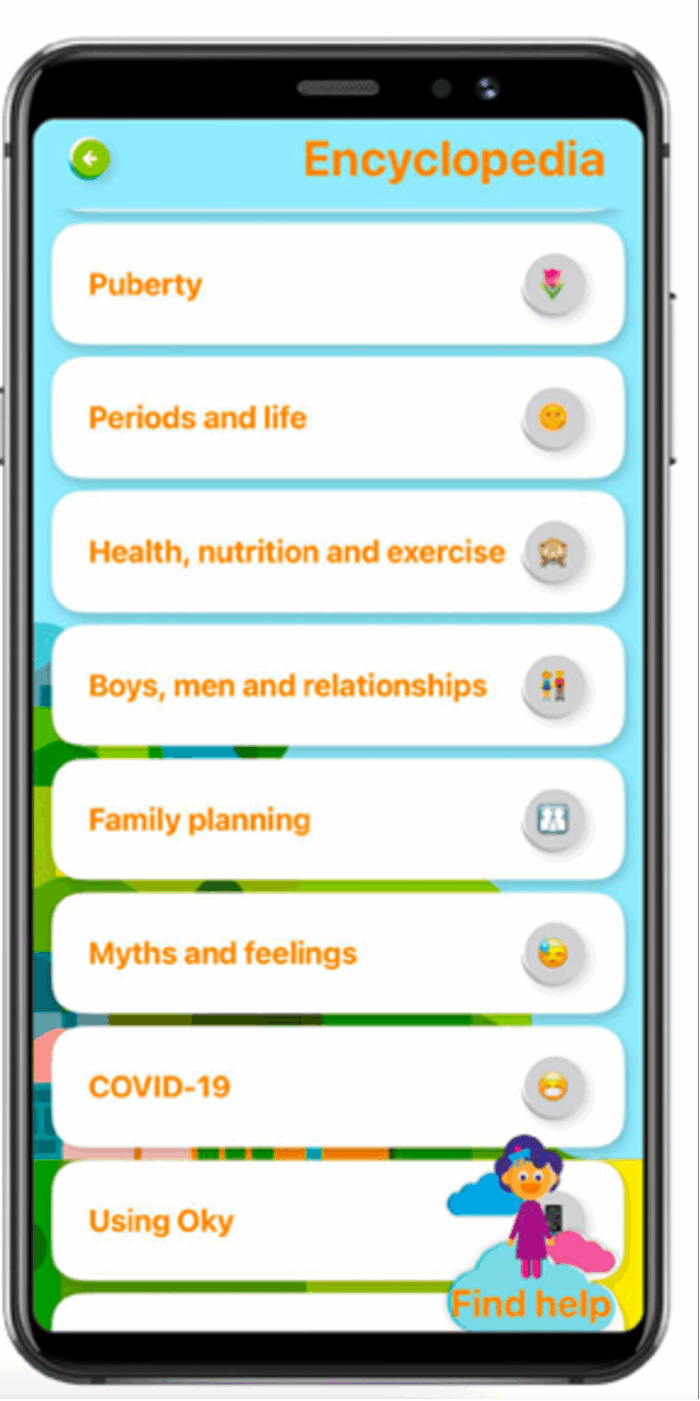
Self-reported changes to confidence
‘Oky’s vision is to empower girls to confidently navigate adolescence and manage their menstruation with normalcy and dignity to overcome gender-based barriers that can restrict their lives and opportunities.’ This is a vision that can be difficult to measure quantitatively since changes in confidence, feeling ‘normal’ and dignified mean different things to different people.
Confidence is often measured using Likert scales (e.g. asking respondents to select answers from “strongly agree” to “strongly disagree” regarding statements such as “I am a confident person”) which can be reductive, or by using behavioural observation reports which do not allow respondents to express their own judgements. Oky chose to use QuIP as they wanted to centre the girls’ own stories in this research.
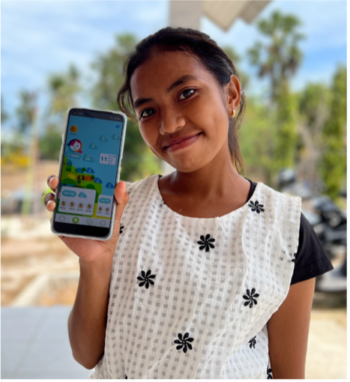
Bath SDR worked closely with BBC Media Action to design an interview based on their intended outcome domains, including menstrual care practices and SRHR knowledge. Careful phrasing and sequencing of questions provided an opportunity for respondents to explain in their own words what had changed, why they thought these changes had happened, and what they perceived to be the main drivers or influences of change.
Each domain started with exploratory, open-ended questions; for example on whether their level of confidence had changed in relation to talking about topics such as periods and puberty. This approach allowed girls to describe changes in their own words. Many respondents explained that Oky had encouraged SRHR conversations with their peers and helped to reduce taboos around puberty and menstruation. Open-ended questions were accompanied by supplementary probing questions and closed questions to confirm the respondent’s perception of overall change in that outcome domain.
Results
Across both countries, 24 interviews and eight focus group discussions were conducted with adolescent girls aged 10-19. Bath SDR then supported researchers to code and analyse their interviews using the Causal Map app, qualitative data analysis software.
The example map below shows where the girls interviewed reported that Oky had contributed to their knowledge on menstrual care and SRHR. This knowledge then supported them to manage their periods, increased their confidence, and openness.
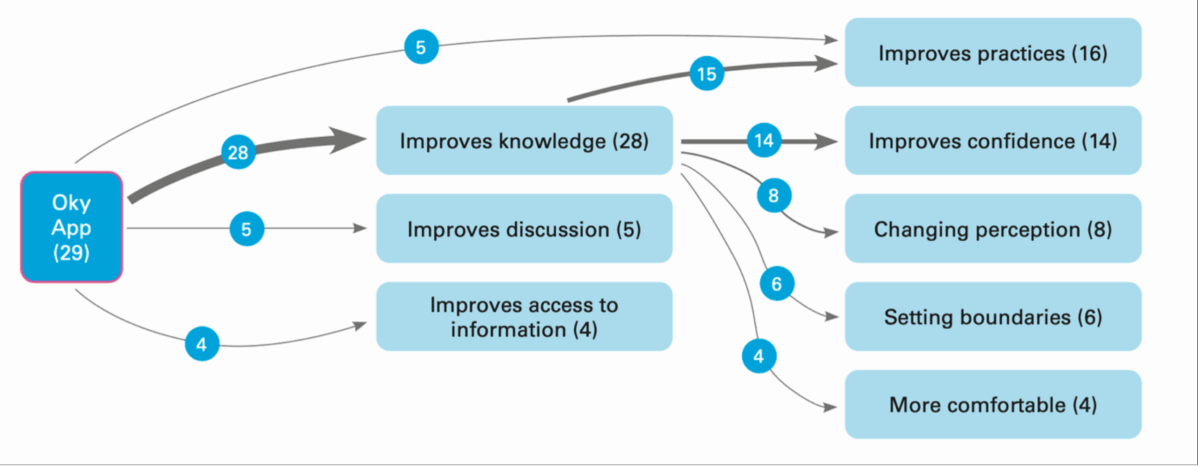
A commonly shared story was that the Oky period tracker meant they knew when their periods were due and so were able to carry pads which helped to make them feel more confident as they were less worried about being unprepared.
“If for example [my period is] already behind… I now prepare more, like bringing pads to school”
Oky user IDI participant aged 17–19, Bali
Oky also boosted adolescent girls’ confidence in addressing menstrual taboos and myths, and discussing menstruation and puberty with their peers.
“We are also more open to ourselves, especially since the information we get is also useful and effective for our lives.”
Oky user IDI participant aged 17–19, Bali
This evaluation focused on Oky’s four intended outcomes; gaining knowledge, changing perceptions, links to services and sharing. Whilst there were many positive findings, particularly around gaining knowledge and changing perception, the study also highlighted areas of improvement. For example, only a few girls in Indonesia spontaneously mentioned Oky – in relation to providing information about services and how to access them. This shows an opportunity for further growth and development. BBC Media Action are now working closely with UNICEF to integrate the findings and share learnings from the different country contexts to improve their product and help more girls to confidently navigate adolescence and menstruation.

Comments are closed here.